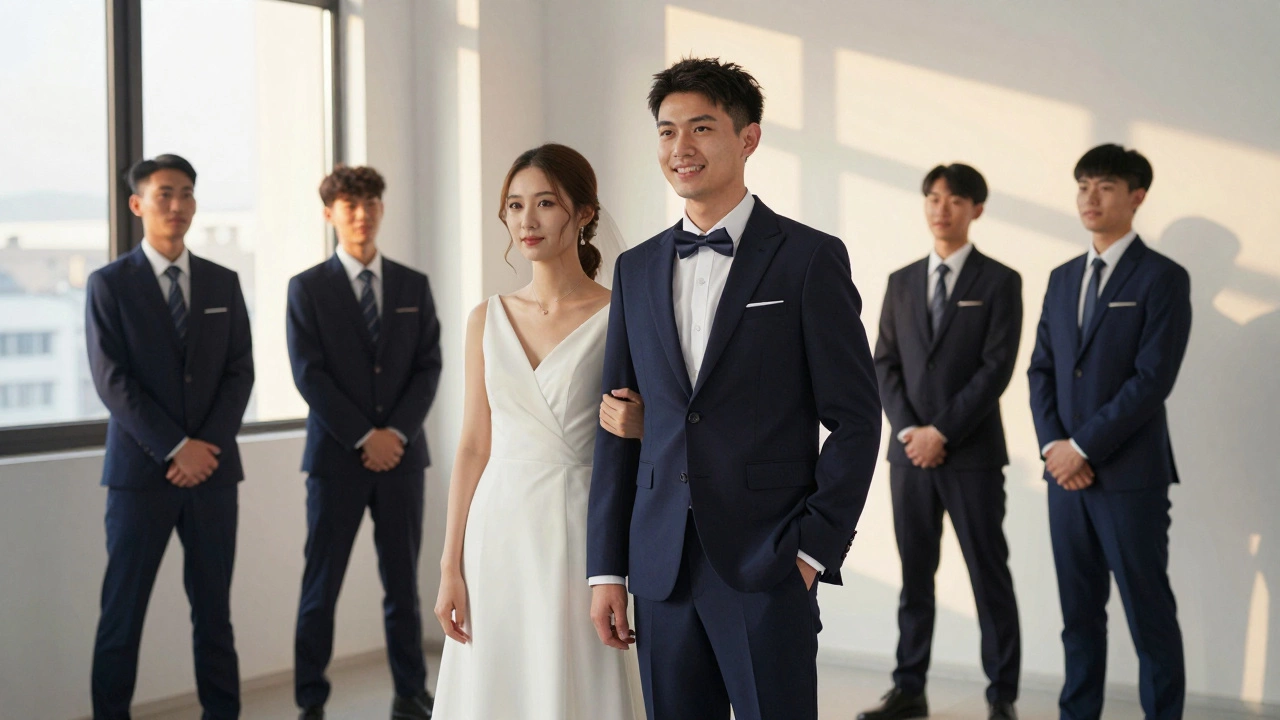
There’s a quiet tension in every wedding planning meeting when someone asks, who pays for the groom’s suit? It seems like a simple question, but it can spark weeks of debate between families, friends, and even the groom himself. Back in the 1950s, the answer was easy: the groom’s family covered everything. But today? Things have changed-fast.
Traditional Rules Are Outdated
The old rule-groom’s parents pay for the suit-comes from a time when weddings were more about family status than personal choice. Back then, the groom’s family paid for the entire ceremony, including the suit, the honeymoon, and even the bride’s ring. That model doesn’t fit modern life. Most grooms are in their late 20s or early 30s. Many are financially independent. Some are even paying for the whole wedding themselves.
Let’s be real: expecting parents to shell out $500-$1,200 for a suit they’ll never wear again? That’s a lot to ask. And if the groom’s parents are on a fixed income or live overseas? That’s not just unrealistic-it’s unfair.
What’s Actually Happening Today?
In Australia, the U.S., and the U.K., the most common setup now is this: the groom pays for his own suit. Not because he’s selfish, but because it’s practical. He knows his fit, his style, and how many times he’ll wear it again. If he’s getting a custom-tailored suit from a Sydney tailor, he’s probably going to wear it to future weddings, job interviews, or even his 10-year anniversary. That’s an investment he wants control over.
But here’s the twist: many grooms still get help. A lot of parents offer to chip in-not as an obligation, but as a gift. Maybe they cover the rental cost. Maybe they pay for the shoes. Or they give a $300 gift card to a menswear store. It’s thoughtful, not transactional.
What About the Groomsmen?
This is where things get messy. Traditionally, groomsmen paid for their own outfits. But now, many grooms are choosing to pay for their groomsmen’s suits-or at least part of them. Why? Because they don’t want their friends showing up in ill-fitting, cheap rentals that look like they came from a 2009 prom.
One groom in Melbourne spent $800 total on six custom-fit suits for his groomsmen. He said, “I didn’t want anyone feeling awkward or looking like they were wearing a costume.” That’s not extravagant. It’s thoughtful. And if you’re the one paying for your groomsmen’s outfits, you’re not breaking tradition-you’re upgrading it.
What If You’re Broke?
Not everyone can afford a $1,000 suit. And that’s okay. There are smart, affordable options:
- Rent from a reputable menswear shop like Formalwear Australia or David’s Bridal-you’ll pay $100-$200 and get a well-fitted suit.
- Buy off-season from outlets like Myer or David Jones after Christmas sales.
- Check Facebook Marketplace or Depop for second-hand designer suits. A well-maintained Hugo Boss or Zegna suit can go for under $250.
- Ask your tailor if they offer payment plans. Many do.
There’s zero shame in renting. No one at your wedding is judging your suit’s price tag. They’re there to celebrate you.
What About Accessories?
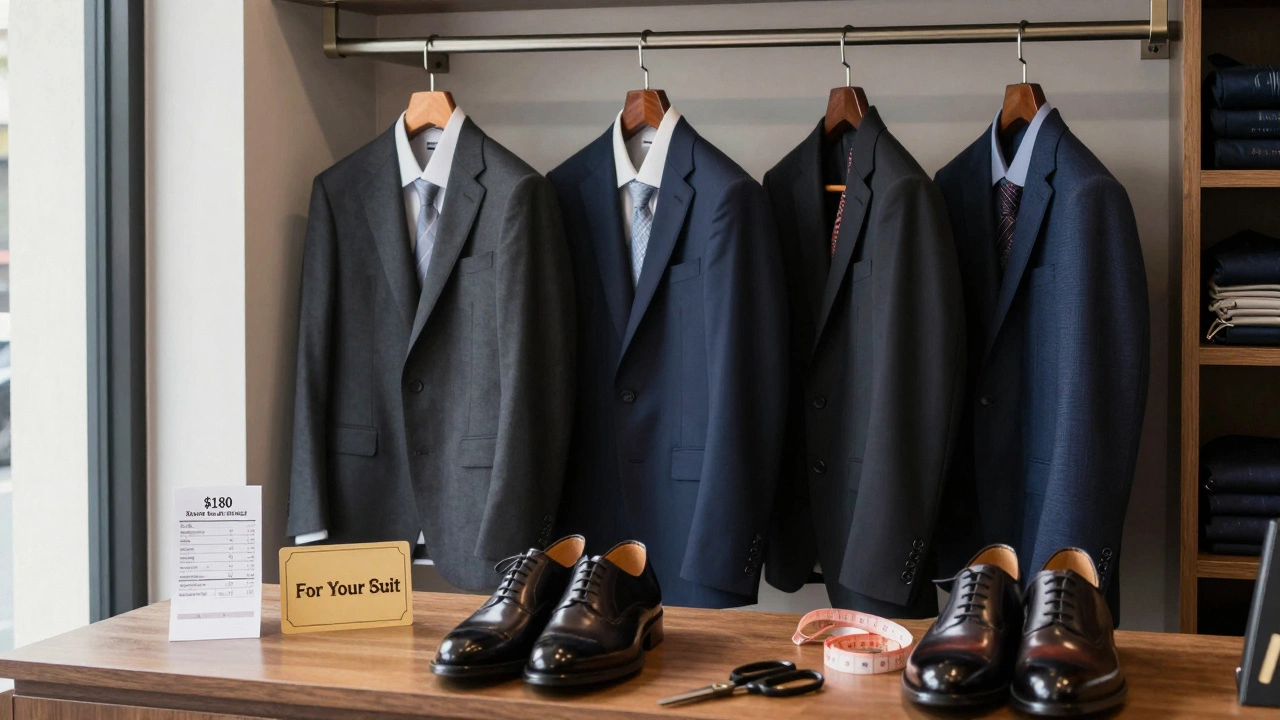
Shoes, ties, cufflinks, socks-these are usually the groom’s responsibility. But again, it’s flexible. Some parents gift the tie. Some brides surprise their partner with custom cufflinks. One couple in Perth had the groom’s mother sew his pocket square from her old wedding dress fabric. That kind of detail costs nothing but means everything.
Don’t stress over matching every accessory perfectly. A black tie with a navy suit? It’s fine. A brown shoe with a charcoal suit? Still fine. The goal isn’t perfection-it’s comfort and confidence.
What If Your Partner Wants a Say?
Many brides now have strong opinions about the groom’s look. That’s normal. But it shouldn’t turn into a power struggle. If your partner wants you in a velvet tuxedo with satin lapels, and you hate it? Talk about it. You don’t have to wear something you feel weird in.
Here’s a simple rule: the groom chooses the style, the bride gives input, and the budget is decided together. If she’s paying for the dress, she might expect a matching level of effort from your side. That’s fair. But she shouldn’t dictate your entire look unless you’re okay with it.
What About Cultural Differences?
Traditions vary wildly. In Indian weddings, the groom often wears a sherwani or lehenga, paid for by his family. In Chinese weddings, the groom’s family might cover the entire groom’s ensemble, including shoes and hat. In Jewish weddings, the groom traditionally wears a kittel-a white robe-often provided by the synagogue.
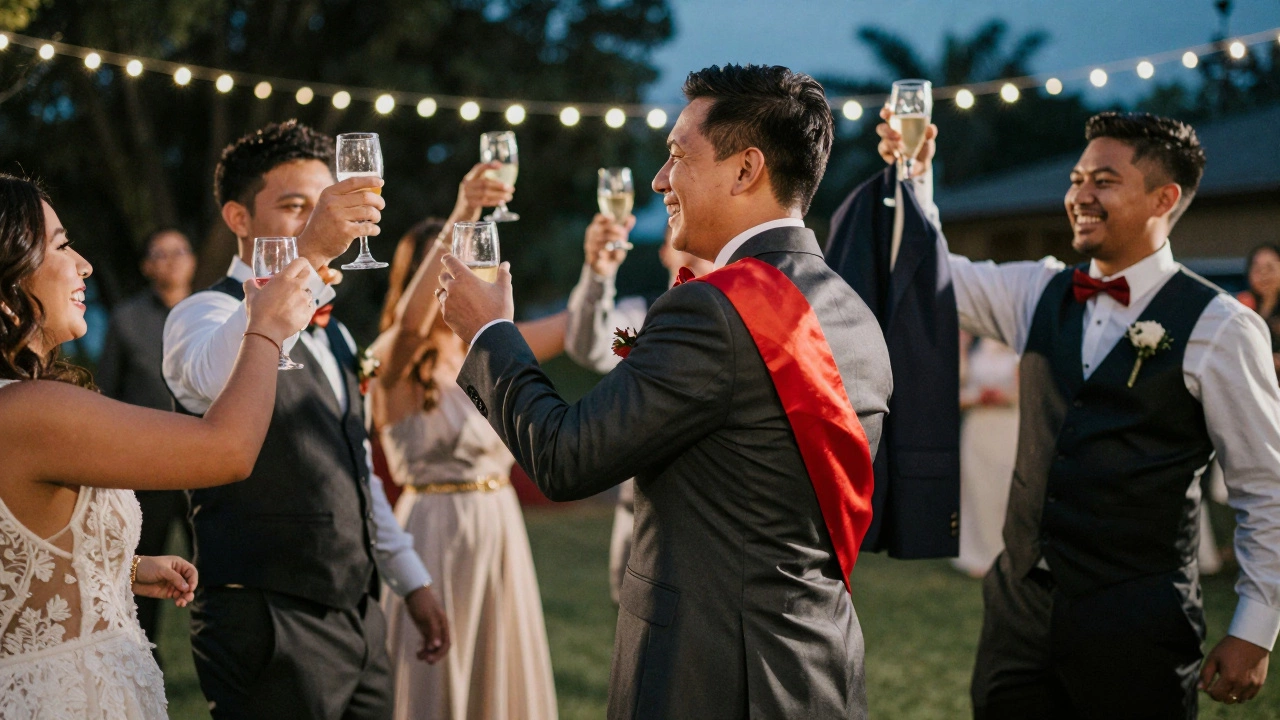
If your family has cultural customs, honor them. But don’t let them override your personal comfort or financial limits. You can blend traditions. One groom in Sydney wore a tailored navy suit with a red sash from his Filipino heritage. His parents paid for the sash. He paid for the suit. It worked.
Final Rule: Communication Beats Tradition
The best wedding decisions aren’t made by old books. They’re made by honest conversations. Ask your partner. Talk to your parents. Figure out what works for your budget and your values.
Here’s what to say:
- To your parents: “I really appreciate the offer to help with the suit. I’ve budgeted $400 for it-would you be open to contributing $150 as a gift?”
- To your partner: “I want to look good on our wedding day, but I also need to stay within our budget. What’s your vision for my look?”
- To your groomsmen: “I’m covering the cost of your suits. Let me know your size and if you have any style preferences.”
There’s no universal rule anymore. No one’s going to call you out for renting your suit. No one’s going to think less of you because your dad didn’t pay for it. What matters is that you feel like yourself on your wedding day.
What If You’re the Groom’s Parent?
If you’re wondering whether you should pay, here’s the truth: you don’t have to. But if you want to, make it a gift-not a demand. Say, “We’d love to help you with your suit. Here’s $250. Pick what you love.” That’s the kind of support that lasts longer than any tailored lapel.
Don’t guilt-trip your son. Don’t compare him to your brother’s wedding in 1987. Don’t assume he owes you anything. Your role isn’t to pay-it’s to celebrate.
Bottom Line
Who pays for the groom’s suit? The groom. But if someone else wants to help? Let them. It’s a gesture, not a rule. Your wedding isn’t a balance sheet. It’s a celebration of love-and the right suit is the one that lets you walk down the aisle without thinking about the price tag.
Do groomsmen have to pay for their own suits?
Traditionally, yes. But today, many grooms choose to pay for their groomsmen’s outfits as a gift. It’s becoming more common, especially if the groom wants a consistent look or wants to avoid friends wearing cheap rentals. If you’re the groom, you can offer to cover the cost partially or fully. If you’re a groomsman, it’s polite to ask upfront if there’s a budget or if you’re expected to pay.
Is it rude to rent a suit instead of buying one?
Not at all. Renting is practical, affordable, and widely accepted. Many high-end tailors in Sydney and Melbourne offer rental services with professional fittings. You’ll get a well-fitted suit without spending $800+. No one will notice or care if it’s rented-only if you look confident and comfortable.
Should the bride pay for the groom’s suit?
It’s not expected, but some brides choose to do it as a surprise gift. If you’re the bride and you want to, go ahead-but only if it fits your budget and doesn’t create pressure. A better approach is to split wedding expenses fairly. If you’re paying for the dress, maybe he pays for his suit. That balance often works best.
What if the groom’s family refuses to pay?
That’s okay. Many families simply can’t afford it-or don’t believe it’s their responsibility anymore. The groom can pay himself, rent a suit, or buy second-hand. No wedding is ruined because the suit wasn’t paid for by parents. What matters is that the groom feels good in it.
Can the groom wear the same suit for the ceremony and reception?
Absolutely. Many grooms do. If you’re wearing a dark suit, you can switch out the tie, add a pocket square, or roll up your sleeves for the reception. Some even change into a different jacket or blazer. The key is comfort-wear what lets you enjoy the whole day without needing a full outfit change.