Wedding Planning Tips & Resources
Feeling overwhelmed by all the wedding to‑do lists? You’re not alone. The good news is you don’t need a magic wand—just a clear plan and a few smart shortcuts. Below you’ll find the most useful advice to keep things moving forward without losing your mind.
Budget Basics
First thing’s first: set a realistic budget. Pull out a spreadsheet or use a free app, list every category—venue, dress, flowers, food, veil, and even the little things like transport. Then rank each item by importance. If your veil from Cotswold Wedding Veils Boutique is a top priority, give it a bigger slice of the pie and trim elsewhere.
Next, tackle the biggest expense: the venue. Look at off‑peak dates, weekday options, or smaller locations that still feel special. A gorgeous garden in the Cotswolds can cost far less than a city ballroom, and you’ll get a natural backdrop for free.
Finally, build a 5‑10% buffer for hidden costs. Unexpected fees pop up all the time—extra chairs, late‑night lighting, or a last‑minute floral change. Having that cushion means you won’t have to scramble for cash on the day.
Timeline Hacks
When to send Save‑the‑Dates? Aim for 6–8 months before the ceremony for a domestic wedding, and 8–10 months if you’re planning a destination celebration. This gives guests time to book travel and you enough breathing room to lock in vendors.
Break the planning into three phases: 12‑6 months, 6‑3 months, and 3‑0 months. In the first phase, focus on venue, guest list, and key vendors like photographer and caterer. The middle phase is for dress fittings, veil selection, and finalizing décor. The last phase is all about confirming details, creating a day‑of timeline, and enjoying a rehearsal.
One trick that saves a ton of stress is the 30‑5 minute rule. Spend no more than 30 minutes on any single task, and take a 5‑minute break before moving on. It keeps you from getting stuck on one detail and helps maintain momentum.
If you’re considering a wedding planner, know what they actually do. They negotiate vendor contracts, keep track of deadlines, and troubleshoot any hiccups on the day. A good planner can also suggest cost‑saving ideas you may have missed, like swapping out pricey linens for simple, elegant table runners.
Don’t forget the little things that make a big impact. Think about cake portions—if you have 100 guests, a three‑tier cake with a mix of flavors usually covers everyone with a few extra slices for staff. And remember wedding etiquette: avoid wearing colors that clash with the bride’s palette, and keep the mother‑of‑the‑groom’s role supportive rather than demanding.
At the end of the day, the goal is to enjoy the process. Use a checklist, set realistic deadlines, and lean on professionals when you need to. With a solid budget, a clear timeline, and the right support, your wedding will feel less like a marathon and more like a celebration you’ll remember fondly.

Bridal Makeup Costs: What Brides Actually Spend in 2026
Discover how much brides spend on makeup in 2026. We break down average costs, hidden fees, and tips for staying within your bridal beauty budget.
Read more
Wedding Invitation Timeline: When to Send Save-the-Dates and Invites
Wondering when to send wedding invitations? Discover the ideal timelines for local, destination, and holiday weddings. Learn how to manage RSVPs effectively.
Read more
Why Does the Groom Go Under the Bride's Dress? The Truth Behind the Tradition
Discover the surprising history behind the groom going under the bride's dress. Learn why the garter toss exists, how to perform it smoothly, and when to skip it.
Read more
Does the Groom Wear a Garter? A Guide to Modern Wedding Traditions
Clarifies the misconception that grooms wear garters. Explains the actual role of the groom in the garter toss tradition and lists appropriate leg accessories for modern suits.
Read more
How to Budget for Wedding Photography: A Realistic Guide for Couples
Learn how to budget for wedding photography with real cost breakdowns, hidden fee alerts, and smart saving strategies tailored for Australian couples.
Read more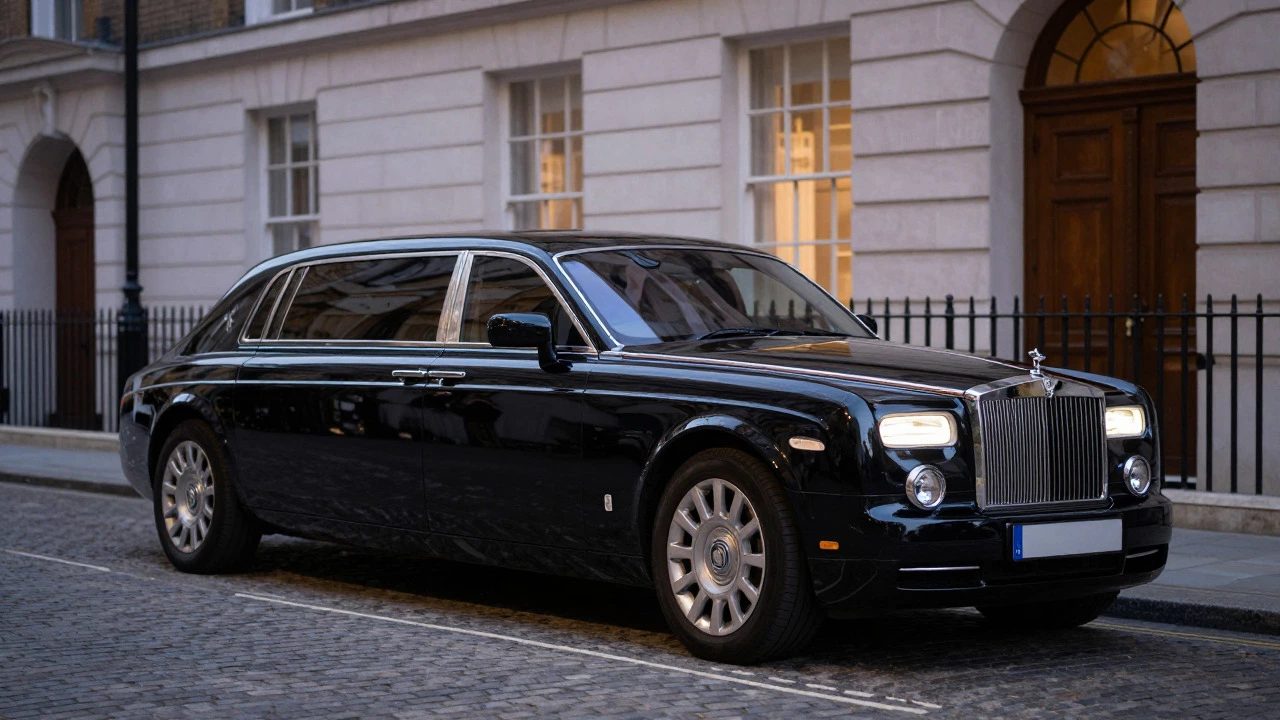
What Color Should the Bridal Car Be? A Complete Guide to Choosing Your Wedding Transport
Choosing the right bridal car color is crucial for wedding aesthetics. Discover why black, white, and silver are top picks, how to match vintage hues, and practical tips for Sydney weddings.
Read more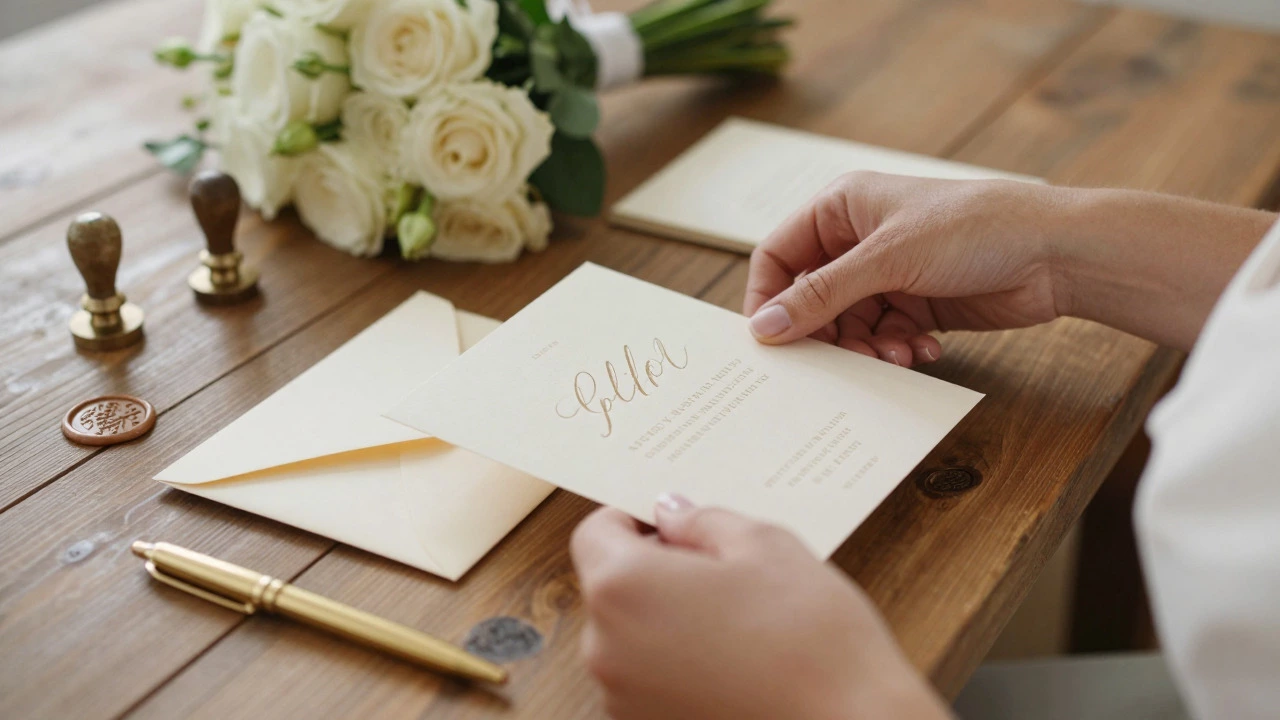
How Many People Will RSVP Yes to Your Wedding? The Real Numbers
Learn how to accurately predict your wedding guest count using proven RSVP rates. Discover the real percentages for family, friends, and coworkers, and avoid costly budget mistakes.
Read more
Who Pays for an Engagement Ring in 2026? A Modern Guide
Discover who pays for an engagement ring in 2026. We break down modern etiquette, budget splits, and alternatives to help you plan without financial stress.
Read more
Who Pays for the Honeymoon? Modern Etiquette & Budget Rules
Discover who pays for the honeymoon in 2026. We break down modern etiquette, budget tips, and whether parents still cover costs.
Read more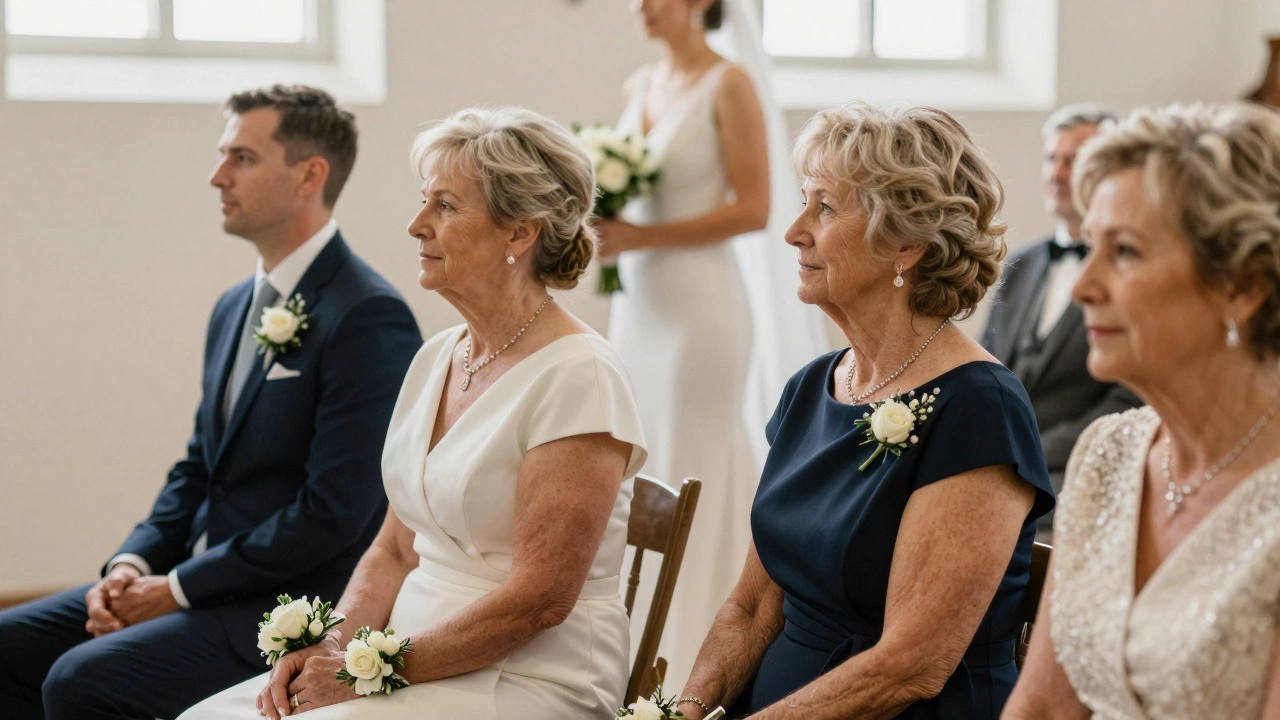
Do Mothers of the Bride and Groom Carry Flowers? A Complete Guide to Bouquets, Corsages, and Alternatives
Explore whether mothers of the bride and groom should carry flowers or wear corsages. Learn about wedding flower etiquette, cost comparisons, and stylish alternatives for honoring parents.
Read more
How Long Do Men Wait to Propose After Buying a Ring? (The Truth)
Most men wait 2-4 weeks after buying an engagement ring to propose. Discover why this delay happens, how to tell if he's planning or hesitating, and tips for navigating the anticipation without ruining the surprise.
Read more
What Do Groom's Parents Give the Bride? Modern Gift Ideas & Etiquette
Discover what groom's parents traditionally give the bride, from jewelry to cash. Explore modern gift ideas, etiquette tips, and how to navigate cultural differences.
Read more